Pneumatics and Hydraulics are important technologies used for powering, controlling, and automating industrial machinery and mechanical equipment. Pneumatic systems use compressed air to generate controlled movement, while hydraulic systems use pressurized fluid to produce force and motion. Both technologies are widely used in industrial automation because they provide reliable and efficient methods for operating actuators, cylinders, valves, motors, and other machine components.
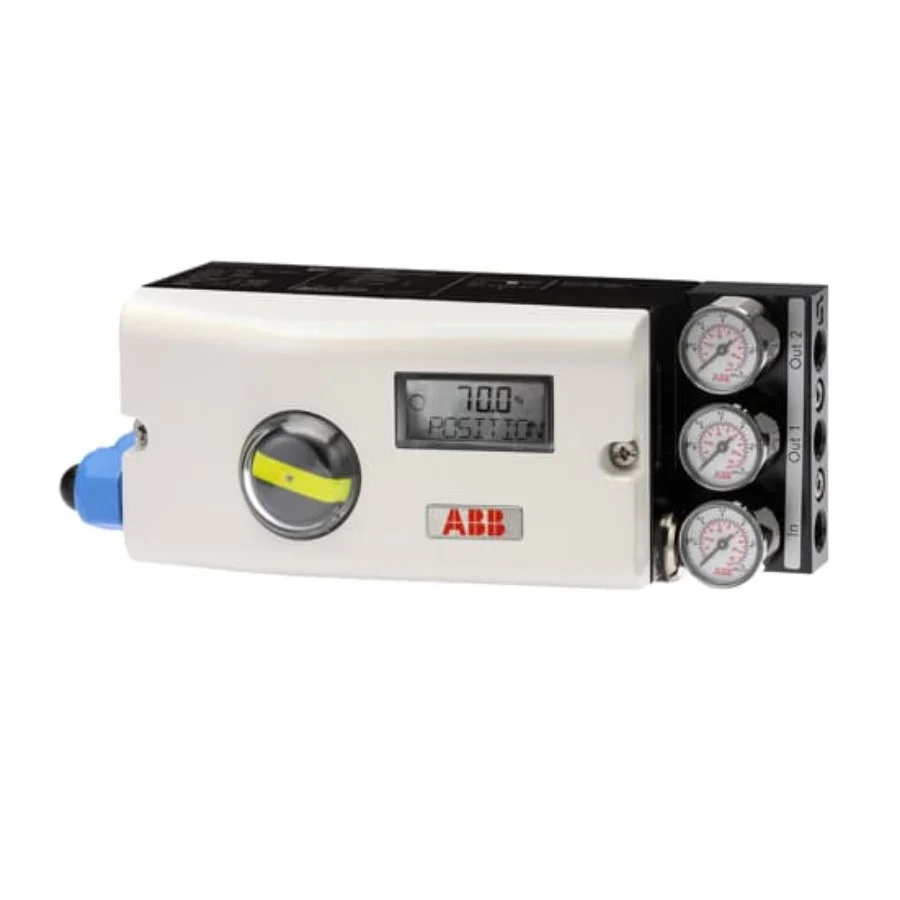
Pneumatic products can include air cylinders, pneumatic valves, filter regulators, fittings, air preparation units, tubing, actuators, solenoid valves, and other compressed-air components. They are commonly used in packaging machines, assembly equipment, conveyor systems, material handling applications, pick-and-place machinery, and automated production lines. Pneumatic systems are particularly suitable for applications requiring fast, repetitive, and controlled linear or rotary movement.
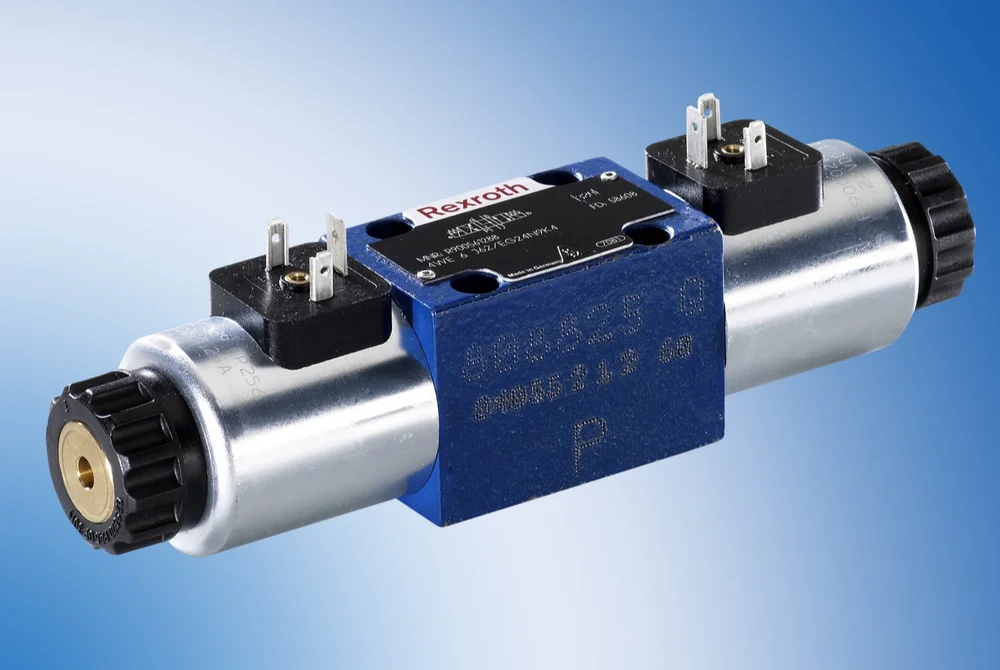
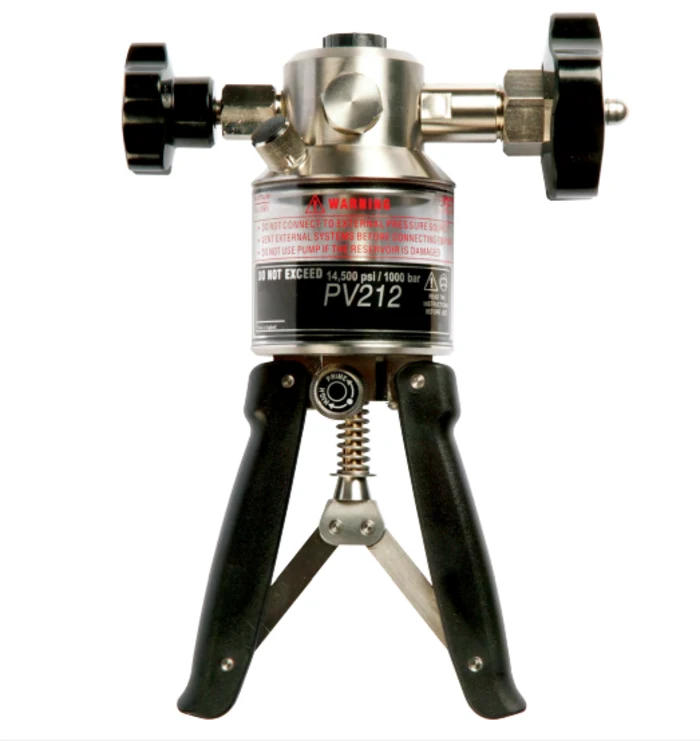
Hydraulic systems are designed for applications where higher force and pressure are required. Hydraulic components can include hydraulic cylinders, pumps, valves, motors, filters, hoses, fittings, pressure-control devices, and other fluid-power equipment. They are widely used in heavy machinery, manufacturing equipment, construction equipment, material handling systems, presses, lifting equipment, and industrial process applications.
Pneumatics and Hydraulics can be integrated with PLCs, sensors, controllers, HMIs, switches, and other automation equipment. This integration allows machine movement and process functions to be controlled automatically according to programmed requirements. Properly selected components can support accurate movement, controlled force, reliable operation, and efficient machine performance.
These technologies can help improve productivity, reduce manual effort, and support repeatable machine operation. Pneumatic systems can provide fast and clean operation for suitable applications, while hydraulic systems can deliver high force and power for demanding industrial processes. Regular inspection, maintenance, filtration, and proper pressure management can help maintain system reliability.
Pneumatics and Hydraulics are therefore practical solutions for industrial users seeking dependable fluid-power technologies. By providing controlled force, movement, pressure, and automation capabilities, these systems can contribute to improved productivity, smoother machine operation, better process control, reduced downtime, and long-term reliability across a wide range of industrial applications.