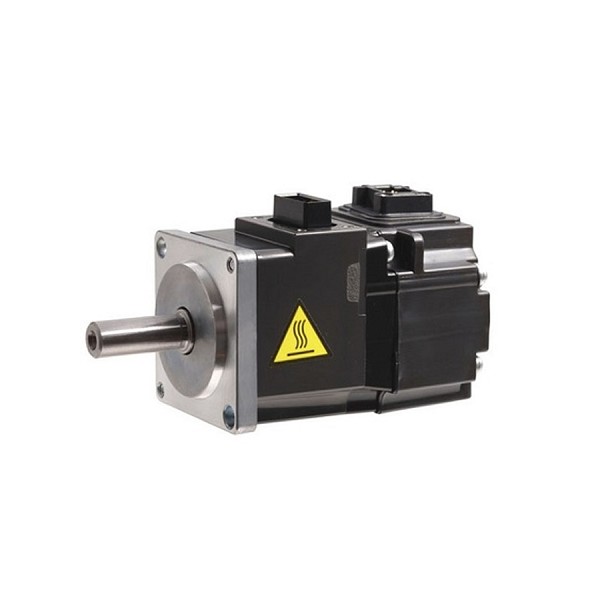
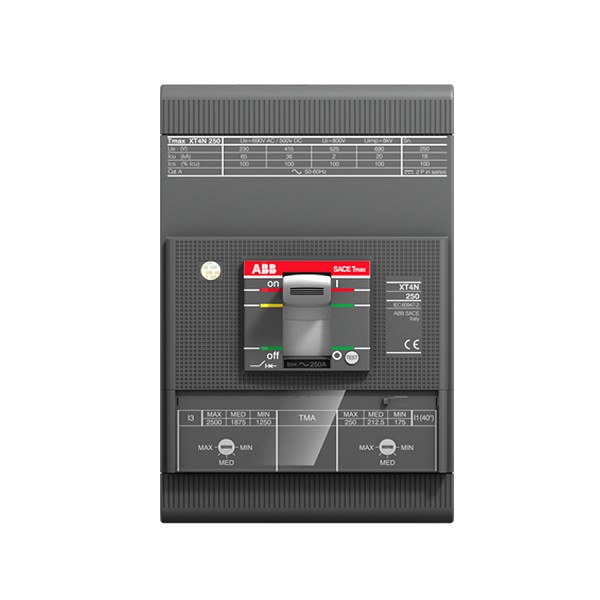
Building Technologies are integrated solutions designed to improve the control, monitoring, safety, comfort, efficiency, and overall performance of modern residential, commercial, and industrial buildings. These technologies combine automation, electrical control, HVAC management, energy monitoring, security, and building-management functions to create smarter and more efficient building environments. They are particularly useful in facilities where reliable operation, energy efficiency, occupant comfort, and centralized monitoring are important.
The Building Technologies category can include HVAC control systems, building automation controllers, sensors, thermostats, actuators, control panels, energy-management solutions, lighting controls, access-control systems, monitoring devices, and other components used to manage building services. These products can help control heating, ventilation, air conditioning, lighting, and other building functions according to predefined requirements and real-time operating conditions.
Building Technologies are widely used in offices, commercial complexes, hotels, hospitals, educational institutions, shopping centers, industrial facilities, residential buildings, and infrastructure projects. They can be integrated with sensors, controllers, PLCs, HVAC equipment, meters, HMIs, SCADA platforms, and building management systems. This integration enables centralized monitoring and coordinated control of different building services.
Modern building technology solutions can help optimize energy consumption by adjusting equipment operation according to occupancy, temperature, schedules, and other operating conditions. Automated control can also help maintain comfortable indoor environments while reducing unnecessary equipment operation. Monitoring and diagnostic functions can provide valuable information for facility managers and maintenance teams.
Building Technologies are suitable for new construction projects, facility modernization, automation upgrades, HVAC improvements, energy-efficiency projects, and replacement applications. Proper system selection should consider building size, application requirements, equipment compatibility, communication protocols, environmental conditions, and control objectives.
Building Technologies are therefore a practical choice for organizations seeking reliable solutions for smart and efficient building management. By supporting automation, HVAC control, energy management, monitoring, and system integration, these technologies can contribute to improved comfort, operational efficiency, reduced energy consumption, better equipment performance, simplified maintenance, and long-term reliability across modern building environments.
frtsh