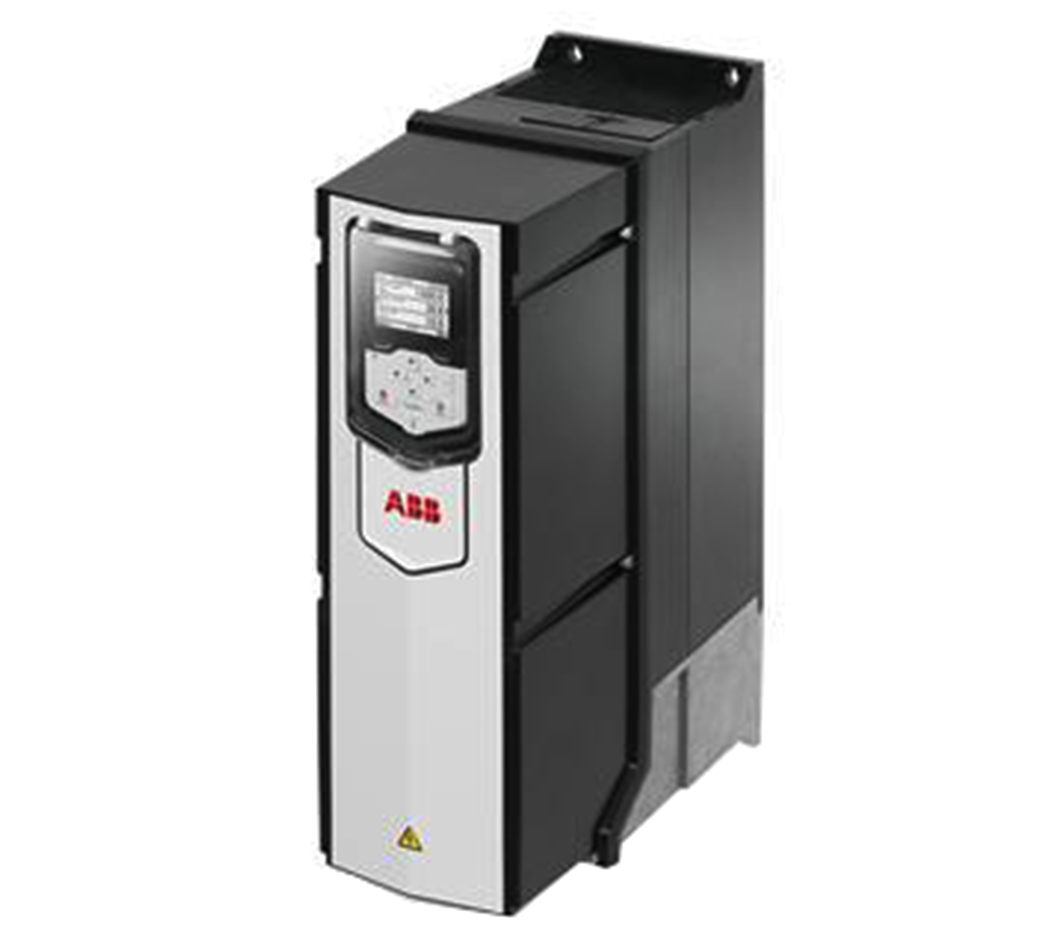
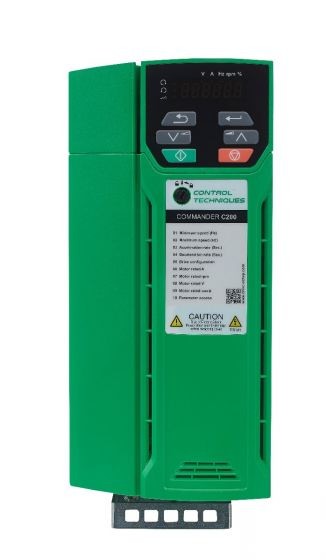
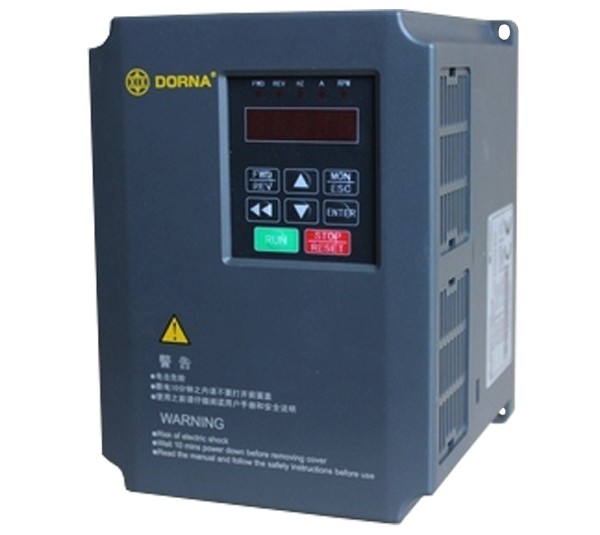
Inverters are important power and motor-control devices used in industrial automation, electrical systems, and energy applications to convert and control electrical power according to specific system requirements. In industrial environments, variable frequency inverters are commonly used to control the speed, torque, acceleration, and deceleration of AC motors. They help provide flexible motor operation and can improve the efficiency and performance of motor-driven equipment.
Inverters are widely used in manufacturing machinery, conveyor systems, pumps, fans, compressors, packaging equipment, HVAC systems, material handling machines, and process automation applications. By controlling the frequency and voltage supplied to a motor, an inverter can allow equipment to operate at different speeds according to the process requirement. This can help reduce unnecessary energy consumption and provide smoother machine operation.
Modern Inverters can be integrated with PLCs, HMIs, sensors, controllers, motors, industrial communication networks, and other automation equipment. This enables users to monitor and control motor performance as part of a complete automated system. Depending on the application, inverters can provide features such as speed control, torque management, acceleration and deceleration control, motor protection, fault monitoring, and operational diagnostics.
Inverters can also help reduce mechanical stress on motors and connected equipment by providing controlled starting and stopping rather than sudden full-speed operation. This can support smoother equipment performance and potentially extend the service life of mechanical components. Their ability to adapt motor speed to actual process requirements can also contribute to improved operational efficiency.
Inverters are suitable for new installations, automation upgrades, machine modernization, maintenance, and replacement applications. They can be selected according to motor capacity, voltage requirements, control method, application type, and environmental conditions.
Inverters are therefore a practical choice for industrial users seeking reliable motor-control and power-conversion solutions. By supporting efficient speed control, smooth motor operation, system monitoring, and equipment protection, Inverters can contribute to improved productivity, energy efficiency, reduced operational interruptions, better process control, and long-term reliability across a wide range of industrial automation applications.